Can a dentist help with sleep apnea? In some cases, yes. A dentist can assess whether an oral appliance may be suitable for certain types of sleep apnea, especially mild to moderate obstructive sleep apnea. A dentist in Lakefield can examine your mouth, teeth, jaw, and bite and help determine whether dental treatment may be part of your sleep apnea care.
An oral appliance does not cure every type of sleep apnea. A proper diagnosis is important before choosing treatment because sleep apnea can have different causes and levels of severity.
What Is Sleep Apnea?
Sleep apnea is a condition in which breathing repeatedly stops or becomes too limited during sleep. One common type happens when the airway becomes blocked as the throat muscles relax.
This can lead to:
- Loud snoring
- Gasping or choking during sleep
- Waking with a dry mouth
- Morning headaches
- Daytime tiredness
- Trouble staying focused
Because these symptoms can have other causes, testing is needed to confirm sleep apnea.
Can a Dentist Treat Sleep Apnea?
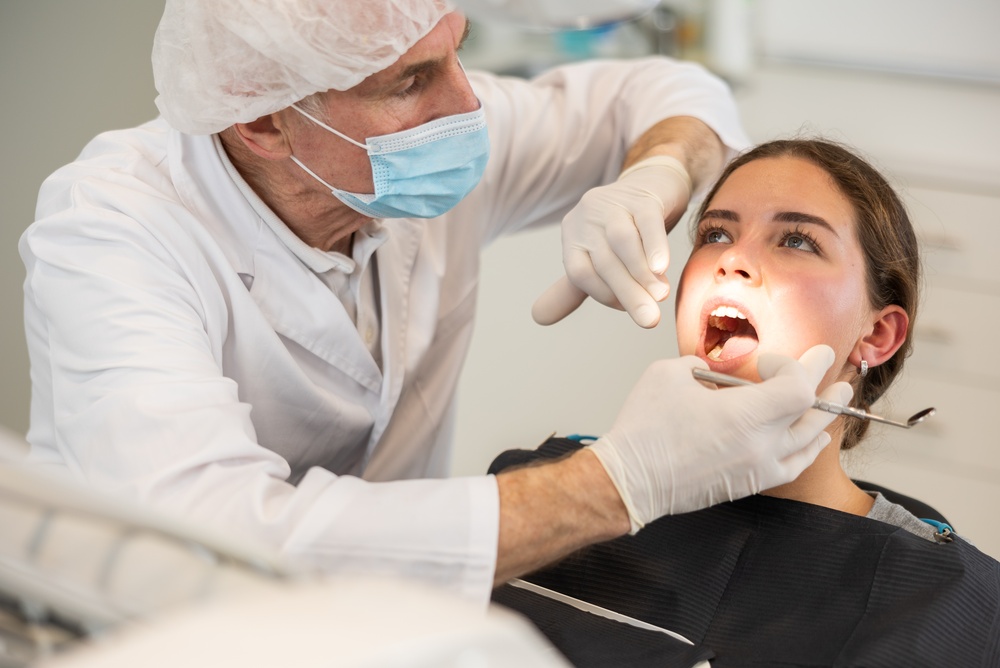
A dentist near you may play an important role in managing obstructive sleep apnea, but dental care is usually part of a larger treatment plan. A dentist can assess whether an oral appliance may help keep the airway open during sleep. In many cases, diagnosis and treatment planning involve a physician or sleep specialist as well.
The right approach depends on the type and severity of sleep apnea, along with your overall health.
How Does an Oral Appliance Work?
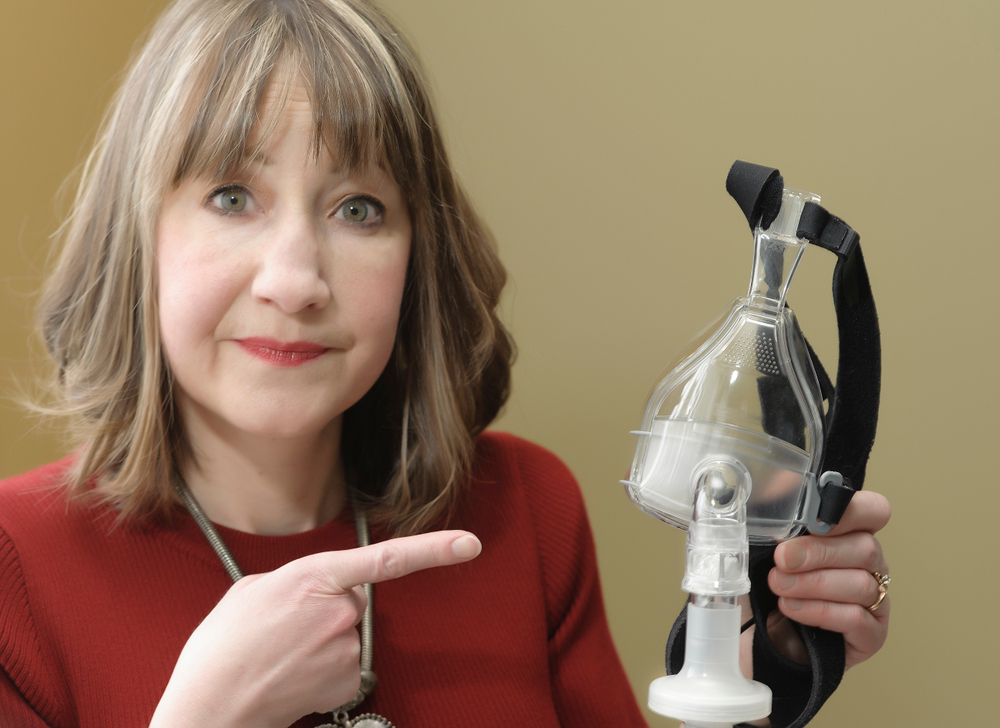
An oral appliance is a special device made to fit your mouth. You wear it while sleeping to gently move your jaw or tongue and help keep your airway open. When the jaw is positioned forward, there may be more space for air to move through the throat.
The appliance does not force the airway open. Instead, it changes the position of the structures that can contribute to airway narrowing.
Who May Benefit From an Oral Appliance?
A dentist in Lakefield may consider an oral appliance for someone with obstructive sleep apnea when it fits the person’s needs.
It may be considered when:
- Sleep apnea is mild or moderate.
- Snoring is a major concern.
- A suitable oral appliance can be worn comfortably.
- Another treatment has not worked well.
- A patient prefers an alternative to certain other treatments.
An oral appliance is not automatically suitable for everyone.
Is an Oral Appliance the Same as a Night Guard?
No. Although both devices are worn during sleep, they have different purposes. A night guard is commonly used to protect teeth from grinding or clenching. An oral appliance for sleep apnea is designed to help maintain an open airway.
Using the wrong type of device will not provide the same benefits. A dentist near you can explain which type of appliance may be appropriate.
What Happens Before Getting an Oral Appliance?
Before treatment, a dentist in Lakefield may review your dental health and ask about symptoms such as snoring, daytime tiredness, or nighttime breathing problems. If sleep apnea has not been diagnosed, medical sleep testing may be needed. This helps confirm the condition and determine its severity.
The dental assessment may also look at:
- Teeth and gums
- Jaw movement
- Bite
- Existing dental work
Ability to wear an appliance safely
What Can You Expect After Starting Treatment?
An oral appliance may take some time to get used to. Mild jaw or tooth discomfort can occur while adjusting to the device. Follow-up appointments are important because the appliance may need adjustments. Ongoing monitoring can also help check whether it is working as intended.
A dentist near you can monitor your dental health and address problems such as changes in your bite, jaw discomfort, or appliance fit.
Can an Oral Appliance Replace CPAP?
Not for everyone. CPAP is still an important treatment for many people with obstructive sleep apnea. For some patients, an oral appliance may be an alternative or another treatment option. The choice should be based on the severity of sleep apnea, medical advice, and individual needs.
Never stop or change prescribed sleep apnea treatment without discussing it with the appropriate healthcare professional.
Ready to Explore Your Sleep Apnea Treatment Options?
Understanding the cause of nighttime breathing problems is an important first step toward choosing appropriate care. Book an appointment with Village Dental Centre to discuss your symptoms, dental health, and whether an oral appliance may be suitable for your needs.
FAQs
Can a dentist diagnose sleep apnea?
A dentist can recognize possible signs and assess whether dental treatment may help, but a medical sleep evaluation may be needed to confirm the diagnosis.
Does an oral appliance stop snoring?
It may reduce snoring when the snoring is related to airway narrowing, but results vary.
Is an oral appliance comfortable?
It is designed to fit the mouth, but adjustment can take time. Follow-up visits can help improve the fit.
How long does an oral appliance last?
The lifespan varies with the device, materials, use, and care. Regular checks can help identify when replacement or adjustment is needed.