Can dental implants fail, and how can you lower the risk? Dental implants are often successful when they are carefully planned and properly cared for. However, some factors can affect how well they heal and last. A dentist in Lakefield can check your oral health, explain possible risks, and create a treatment plan to support your implant care.
Understanding why implant problems happen and how to prevent them can help patients make informed decisions before starting treatment.
What Causes Dental Implant Failure?
Dental implant failure happens when an implant does not heal properly or becomes loose after it is placed. It is not common, but some factors can affect the results.
Common reasons dental implants may fail include:
- Poor healing after implant placement
- Infection around the implant area
- Lack of healthy bone support
- Excess pressure on the implant during healing
- Certain health conditions that affect healing
- Poor oral hygiene habits
A complete dental assessment before treatment helps identify factors that may affect implant success.
How Do Dental Implants Work?
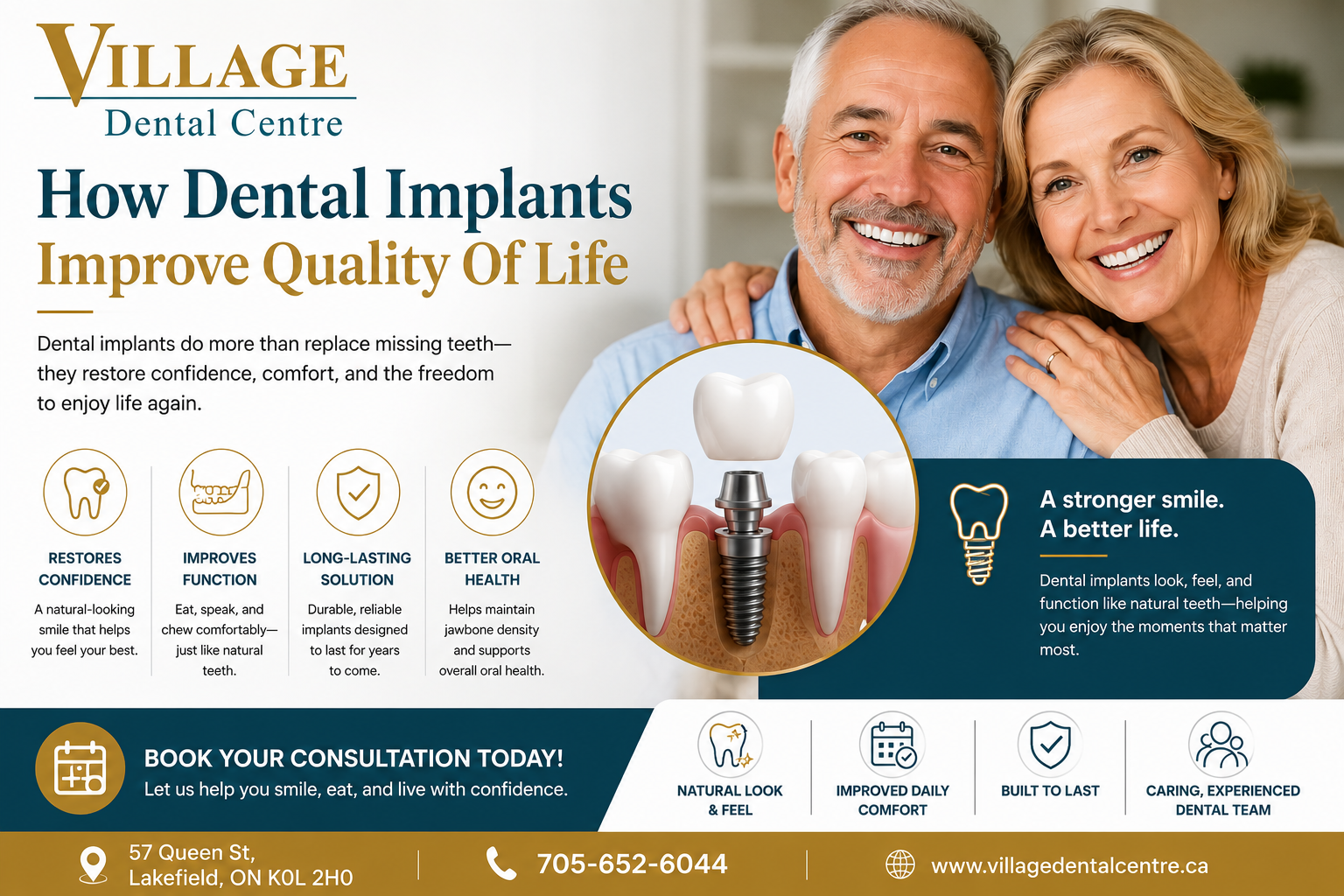
Dental implants are designed to replace missing teeth by using a small post placed into the jawbone. After healing, the implant supports a dental crown that looks and functions like a natural tooth.
Dental implants in Lakefield are planned based on each patient’s oral health, bone condition, and tooth replacement needs.
The treatment process usually involves:
- Examining the teeth, gums, and jawbone
- Creating a personalized treatment plan
- Placing the implant into the jawbone
- Allowing time for healing
- Attaching the final restoration
Each step plays an important role in supporting a stable result.
What Are the Signs of Dental Implant Problems?
Recognizing possible warning signs early can help prevent further complications.
Signs that may require dental attention include:
- Ongoing pain around the implant area
- Swelling or redness of the gums
- Difficulty chewing
- Movement or looseness of the implant
- Changes around the implant site
If any unusual symptoms appear, an evaluation can help determine the cause and the appropriate next steps.
How Can Dental Implant Failure Be Prevented?
Proper planning and good oral care are important for protecting the implant after treatment.
Ways to support implant success include:
- Maintain regular brushing and flossing habits.
- Follow post-treatment care instructions.
- Attend scheduled dental checkups.
- Avoid smoking or tobacco products.
- Protect the implant from excessive pressure during healing.
These steps help keep the gums and surrounding tissues healthy.
Why Is Bone Health Important for Dental Implants?
Dental implants near you need strong jawbone support to remain stable. When a tooth is missing, the jawbone in that area may gradually lose strength over time.
Before placing an implant, the dentist in Lakefield checks whether there is enough healthy bone to support the treatment. In some cases, additional procedures may be recommended before implant placement.
How Does Oral Hygiene Affect Implant Success?
Keeping your mouth clean is important for protecting dental implants. Bacteria around the implant can affect the gums and nearby tissues.
Good care includes:
- Brushing twice a day
- Cleaning between your teeth
- Getting professional cleanings as recommended
- Checking your gum health regularly
Good oral hygiene helps keep both your natural teeth and implants healthy.
Can Lifestyle Habits Affect Dental Implants?
Yes. Daily habits can influence how well the mouth heals and how long implants last.
Habits that may affect implant health include:
- Smoking, which can slow healing
- Poor oral care may increase the risk of infection.
- Chewing hard objects, which may place stress on restorations
Making healthy choices before and after treatment can support better long-term outcomes.
How Does a Dentist Help Prevent Implant Failure?
A detailed check before treatment helps the dentist find any concerns and plan the right care. A dentist near you can review your dental history, check your mouth health, and explain how to care for your implant.
The evaluation may include:
- Checking your overall oral health
- Examining your gums
- Checking the bone that supports the implant
- Discussing your treatment goals
Careful planning helps create a treatment plan that fits your needs.
Take the Next Step Toward a Stronger, Healthier Smile!
Restoring missing teeth requires a thoughtful approach, careful evaluation, and care designed around your individual needs. Schedule a consultation with Village Dental Centre to receive a comprehensive oral assessment, understand your available treatment options, and get personalized guidance for rebuilding your smile, improving daily comfort, and supporting your long-term dental health.
FAQs
Can failed dental implants be replaced?
In many cases, a failed implant may be evaluated and replaced after the area has healed and the cause of the problem has been addressed.
How long do dental implants last?
With proper care, dental implants can last for many years. Brushing, regular dental visits, and good overall health can help them stay in good condition.
Are dental implants painful after placement?
Some swelling or mild discomfort may happen after getting implants. Your dentist will share care tips to help with healing.
How do I know if dental implants are right for me?
A dental checkup can help decide if implants are a good choice. The dentist will check your gums, bone support, and overall oral health.