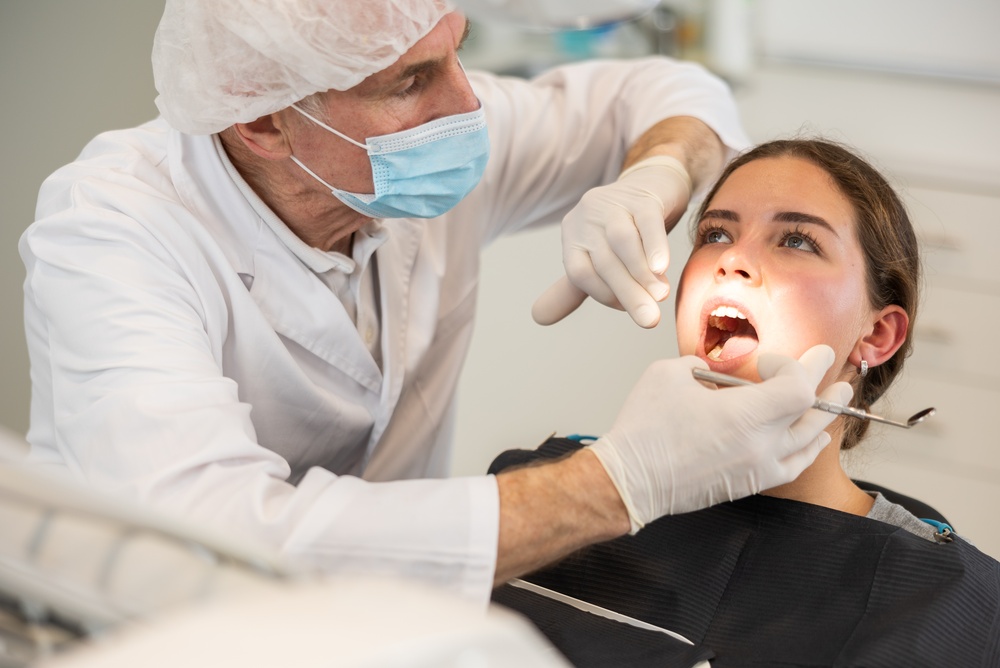
Sleep apnea may not always be easy to recognize because many of its signs happen while you are asleep. During a dental visit, a dentist in Lakefield may notice changes in the mouth, jaw, teeth, or breathing patterns that could indicate a sleep-related breathing problem. Questions about snoring, daytime tiredness, dry mouth, or interrupted sleep can also provide useful clues. While a dental examination cannot confirm sleep apnea on its own, it can help identify signs that may need further medical evaluation and encourage earlier attention to a problem that might otherwise go unnoticed.
Can a Dentist Diagnose Sleep Apnea?
A dentist cannot usually make a final diagnosis of sleep apnea based only on an oral examination. Diagnosis generally requires a proper sleep assessment and, when needed, a sleep test. A dentist near you may, however, recognize signs of a sleep-related breathing problem and recommend that you discuss them with an appropriate healthcare provider.
What Signs Might a Dentist Notice?
Certain changes in the mouth, jaw, or throat may provide useful clues. These signs do not prove that sleep apnea is present, but they may support the need for further evaluation.
Possible signs include:
- Teeth grinding during sleep
- Dry mouth
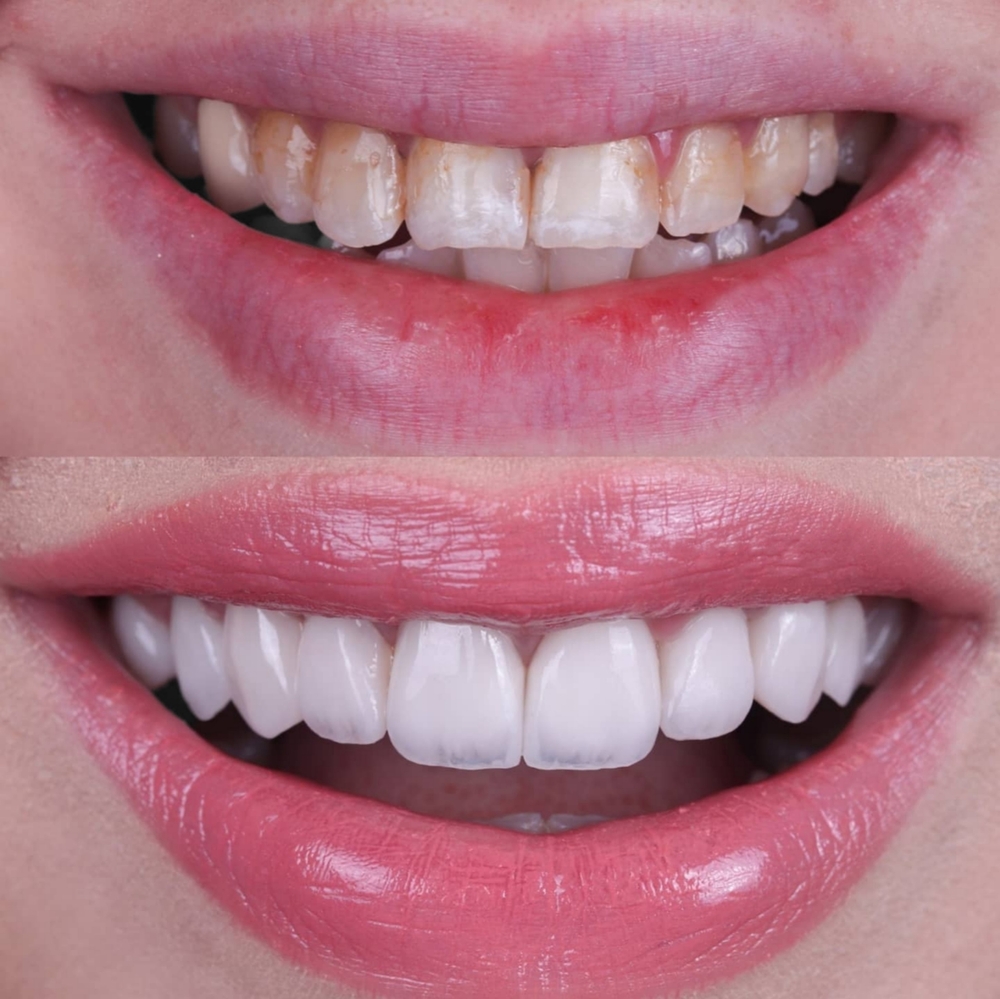
- Worn or damaged teeth
- A narrow-looking upper jaw
- Signs of mouth breathing
- Certain changes involving the tongue or throat
These findings may have other causes, so they should be considered alongside symptoms and medical history.
What Sleep Symptoms Should Be Taken Seriously?
Sleep-related symptoms can provide important information during a dental visit. Loud snoring, pauses in breathing during sleep, waking up gasping, or feeling unusually tired during the day may be worth discussing with your dentist.
A dentist in Lakefield can ask about these concerns and help determine whether additional evaluation is warranted.
Does Teeth Grinding Mean You Have Sleep Apnea?
Not necessarily. Teeth grinding can happen for several reasons and does not automatically mean that sleep apnea is present. However, if teeth grinding happens with loud snoring, feeling very tired during the day, or pauses in breathing while sleeping, talk to a healthcare professional about these symptoms.
Why Does a Dentist Ask About Snoring?
Snoring can sometimes occur when airflow becomes partly blocked during sleep. While occasional snoring does not automatically mean sleep apnea, loud or frequent snoring can be a reason to look more closely at sleep health.
A dentist near you may ask about snoring to understand the full picture, rather than treating it as an isolated dental concern.
What Happens During a Dental Sleep Apnea Assessment?
A dental assessment may include questions about sleep habits, breathing, snoring, daytime tiredness, and oral health. The teeth, gums, jaw, tongue, and other areas of the mouth may also be examined.
A dentist in Lakefield may then explain whether the findings suggest that further assessment could be helpful.
The next step may involve:
- Discussing symptoms with a healthcare provider
- Completing a sleep assessment
- Using a sleep test when recommended
- Reviewing the results with the appropriate professional
Considering treatment options if sleep apnea is confirmed
Can a Dentist Treat Sleep Apnea?
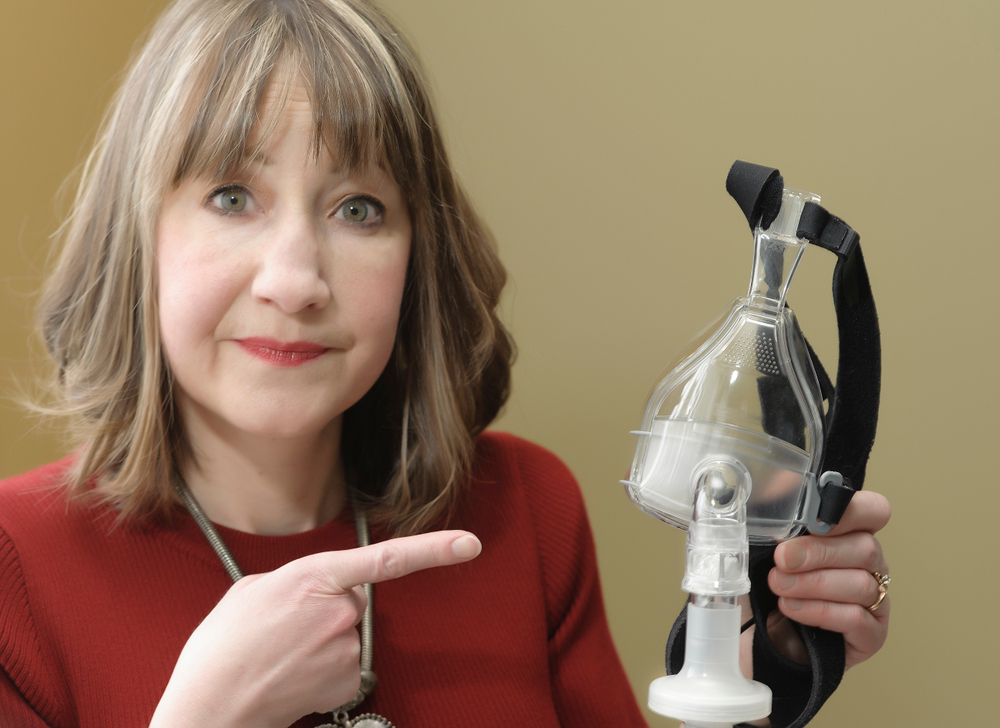
In some cases, dental professionals may be involved in treating certain types of sleep apnea after a diagnosis has been made. Oral appliances may be considered for some patients, depending on the type and severity of the condition.
Treatment should be based on an appropriate evaluation rather than symptoms alone.
When Should You Ask a Dentist About Sleep Apnea?
Consider bringing up sleep concerns if there are repeated signs such as:
- Loud or frequent snoring
- Breathing pauses are noticed during sleep.
- Waking up choking or gasping
- Morning headaches
- Dry mouth after sleeping
- Significant daytime tiredness
- Frequent nighttime waking
- Teeth grinding during sleep.
A dentist near you can discuss these symptoms and help identify whether they may warrant further attention.
Can a Dental Exam Rule Out Sleep Apnea?
No. A normal dental examination does not necessarily rule out sleep apnea. The condition is related to breathing during sleep, so a complete evaluation may require information that cannot be gathered during a standard dental visit.
Dental findings can provide useful clues, but they are only one part of the overall assessment.
Understand the Signs and Find the Right Next Step!
Changes in sleep, breathing, snoring, or morning comfort can sometimes indicate a concern that warrants closer attention. Understanding these signs early can make it easier to decide when further evaluation may be needed. Book an appointment with Village Dental Centre to discuss your sleep-related concerns, have your teeth and oral health carefully assessed, explore possible warning signs, and receive clear guidance about the appropriate next steps for your individual needs.
FAQs
Can a dentist tell if I have sleep apnea?
A dentist may notice signs that suggest a possible problem, but a dental examination alone usually cannot confirm sleep apnea.
Should snoring be discussed during a dental visit?
Yes. Tell your dentist if you snore often or loudly, especially if you feel tired during the day or stop breathing for short periods while sleeping.
Can teeth grinding be linked to sleep apnea?
Teeth grinding can occur alongside sleep breathing problems, but grinding alone does not mean you have sleep apnea.
Does every person who snores have sleep apnea?
No. Snoring does not always mean you have sleep apnea. If you have other symptoms, you may need to be checked by a healthcare professional.