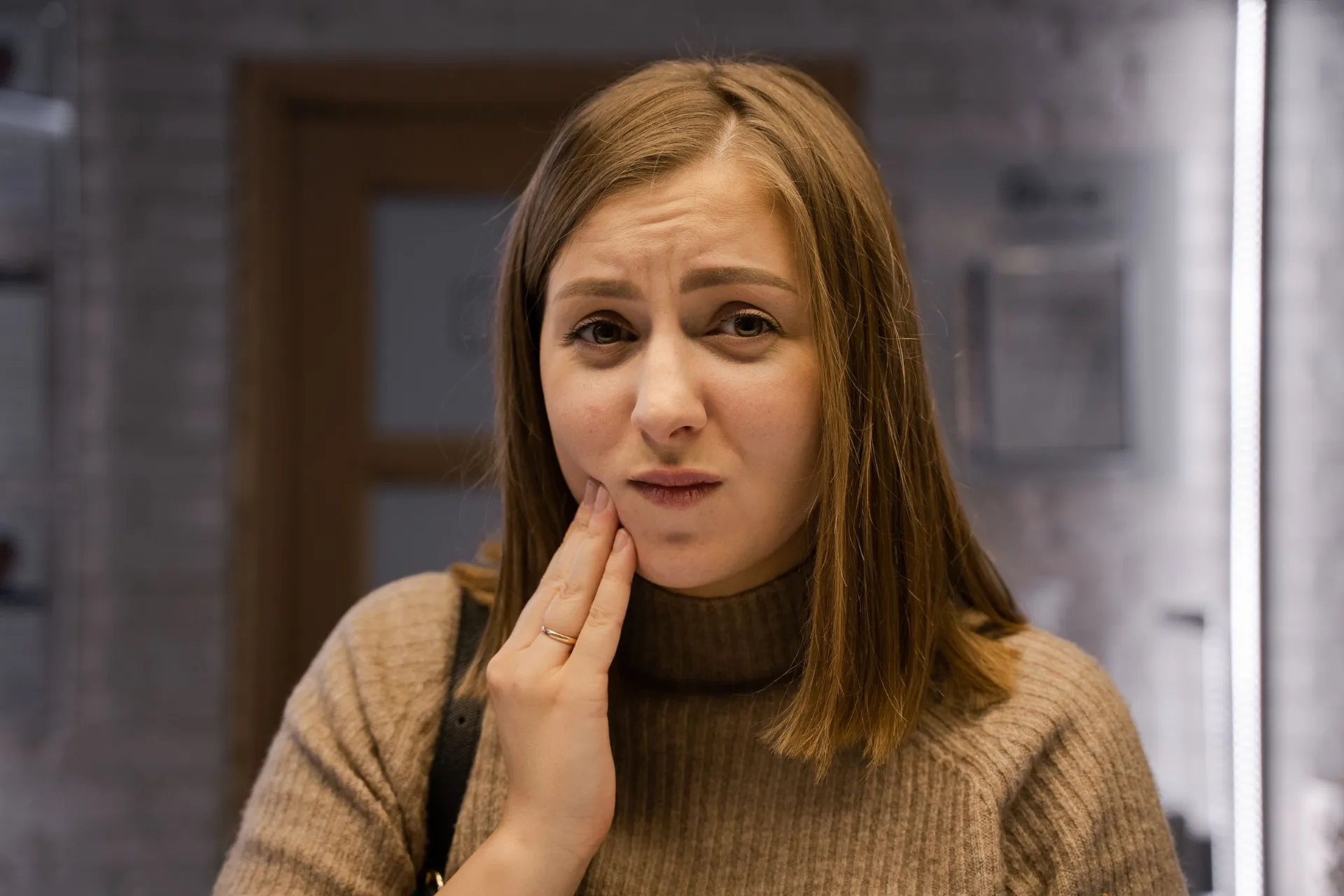
Does drinking cold water cause a sudden, sharp pain along your gums? This can happen when your teeth become sensitive to temperature changes. As a dentist in Lakefield, we understand how this discomfort can make everyday activities like eating and drinking difficult. Tooth sensitivity can have several causes, including worn enamel, gum recession, cavities, or exposed tooth roots. Understanding what triggers the pain can help you find the right way to manage it.
Many of them ask whether a gum graft can ease the discomfort. The answer depends on what’s causing it, so let’s walk through how gum recession, sensitivity, and treatment connect.
What Causes Sensitivity Near the Gumline
Tooth crowns are covered in hard enamel. The roots beneath the gums are not. When gum tissue pulls back, the root surface becomes exposed, and it has far less protection against temperature and touch.
That is why receding gum sensitivity often feels sharp and sudden. Tiny channels in the root surface lead toward the nerve, so hot, cold, or sweet foods can trigger a quick twinge.
Gum recession can develop for several reasons:
- Brushing too firmly or with a hard-bristled brush
- Gum disease that damages the supporting tissue
- Teeth grinding or clenching
- Naturally thin gum tissue
- Orthodontic movement or crooked teeth
Cold Sensitivity and Gum Recession
Cold sensitivity with gum recession is among the most common complaints we hear. A glass of ice water, a scoop of ice cream, or even cold air on a winter walk can trigger it.
Exposed tooth root sensitivity can also happen when you brush near the gumline or eat acidic foods. The discomfort is usually brief, but it can make everyday meals less enjoyable and may lead you to avoid brushing that area properly.
How a Gum Graft Can Help
A gum graft for root sensitivity can help protect areas where the gums have pulled away from the teeth. Once the roots are exposed, everyday things like drinking cold water or eating hot food can cause discomfort. Adding gum tissue over these areas helps shield the roots and may reduce sensitivity.
A connective tissue graft is a frequently used option for treating gum recession. The procedure involves collecting a small amount of tissue from beneath the palate and placing it over the exposed root. Over the following weeks, the tissue heals and becomes part of the existing gumline. Your dentist will choose the grafting method based on how much gum tissue has been lost and your individual needs.
The connective tissue graft benefits may include:
- Coverage of the exposed root surface
- Possible relief from temperature sensitivity
- Added protection against further recession
- A more even-looking gumline
If you’re curious about gum grafting in Lakefield, Ontario, our team can examine your gums, explain how the procedure works, and let you know whether it’s right for you.
Will a Gum Graft Stop Sensitivity Completely?
A gum graft can help if exposed roots cause your sensitivity. But if the problem comes from worn enamel, a cracked tooth, a cavity, or recent whitening, a graft may not make much difference. Your dentist will need to check your teeth to see what’s causing the discomfort.
Other Ways to Manage Sensitivity
Not everyone with gum recession needs a graft. Depending on the cause, your dentist may suggest:
- Desensitizing toothpaste
- Fluoride treatments
- Bonding to cover exposed roots
- A soft-bristled toothbrush and gentler brushing
- A night guard if you grind your teeth
What to Expect From Treatment and Recovery
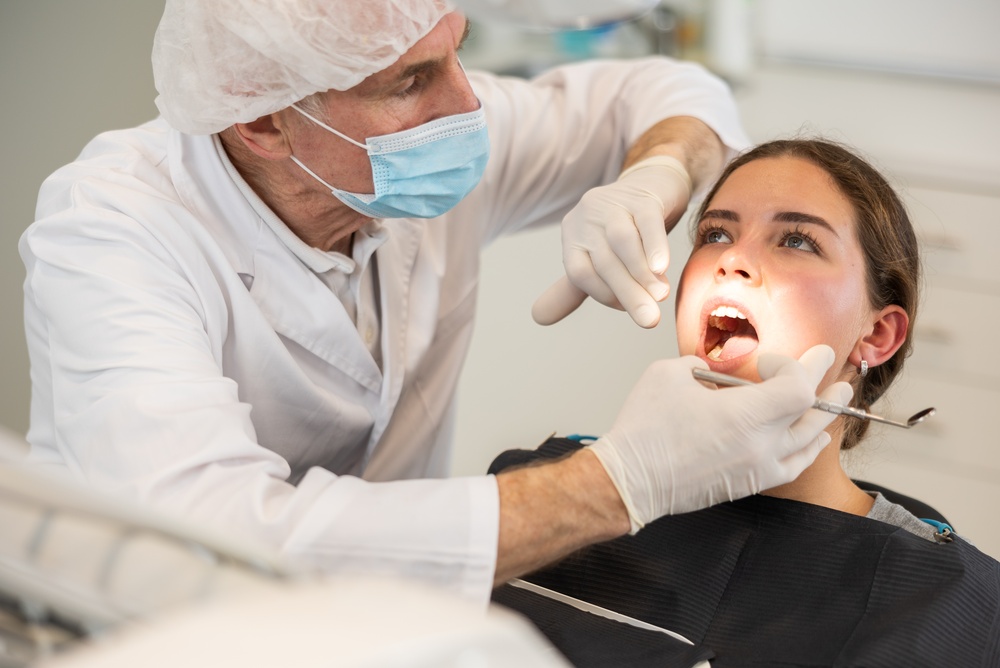
Your dentist will first examine your gums, check the extent of recession, and look for signs of gum disease. If a graft is recommended, the dentist will numb the area with local anesthetic before treatment.
Some soreness afterward is normal, both around the graft and where the tissue was taken. You’ll need to eat soft foods, avoid brushing directly over the graft at first, and attend follow-up visits so your dentist can check how it’s healing.
When to Book an Exam
Gum recession doesn’t usually happen overnight. You may not notice it at first, but catching it early can help prevent it from getting worse. If you’ve been dealing with ongoing tooth sensitivity, it’s worth having a dentist near you take a look.
Book an appointment if you’ve noticed any of the following:
- Your teeth look longer than they used to.
- There’s a small notch or dip near the gumline.
- Your gums bleed when you brush.
- Your teeth stay sensitive or uncomfortable after eating or drinking something hot or cold.
Ready to Feel More Comfortable?
You do not have to keep avoiding cold drinks or certain foods because of tooth sensitivity. Finding the cause of the discomfort is an important step towards getting relief. Contact Village Dental Centre by phone or email to schedule an appointment. Our team can assess your teeth, discuss suitable treatment options, and help you understand how to care for sensitive teeth at home.