An earache does not always mean something is wrong inside the ear. Sometimes, the pain comes from the temporomandibular joint (TMJ), which connects the lower jaw to the skull. Problems with this joint or the muscles around it can cause ear pain, chewing discomfort, and difficulty opening the mouth. A dentist in Lakefield, ON, can assess whether your symptoms may be related to the jaw joint or if another cause needs attention. Jaw joint pain and ear problems can feel alike. Both can cause pain, pressure, or discomfort near the side of your head. However, a stiff jaw, clicking sounds, or pain that worsens with chewing may be signs of a TMJ problem.
Knowing these signs can help you decide when to see a healthcare provider and learn about possible treatments.
How Can TMJ Problems Cause Ear Pain?
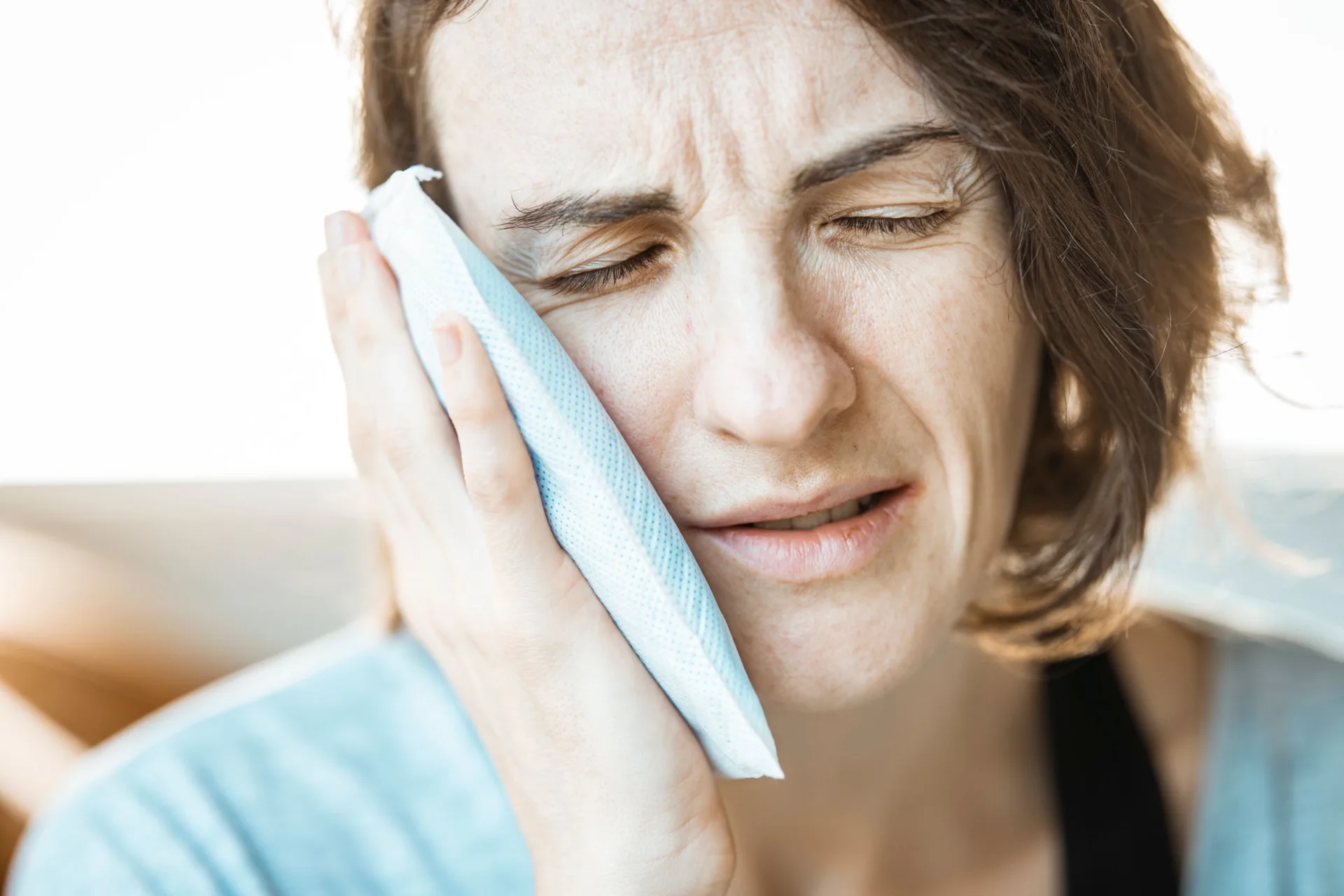
TMJ problems can cause pain near the ear because the jaw joint sits just in front of it. The joint, nearby muscles, and surrounding nerves are closely connected, so pain from the jaw may feel like it is coming from the ear.
This is sometimes called referred pain. The discomfort may occur even when the ear itself is healthy.
Common signs of ear pain from jaw problems include:
- Aching in front of or around the ear.
- Pain that worsens with chewing or yawning.
- Tenderness around the jaw joint.
- Clicking or popping sounds when opening the mouth.
- Jaw stiffness or difficulty opening the mouth fully.
These symptoms do not confirm a TMJ disorder on their own. An examination can help identify the likely cause.
How Can You Tell If Ear Pain Comes From the Jaw?
Jaw-related ear pain often changes with jaw movement, while an ear infection may cause symptoms such as fever, ear discharge, or changes in hearing. However, symptoms can overlap, so the cause cannot always be identified without an examination.
Look for these signs:
- Pain while chewing: Your jaw hurts when you eat or move your mouth.
- Jaw soreness: The area in front of your ear hurts when you touch it.
- Stiff jaw in the morning: Your jaw feels tight when you wake up, especially if you grind your teeth at night.
- Jaw noises: Clicking or popping may occur during movement, sometimes accompanied by discomfort.
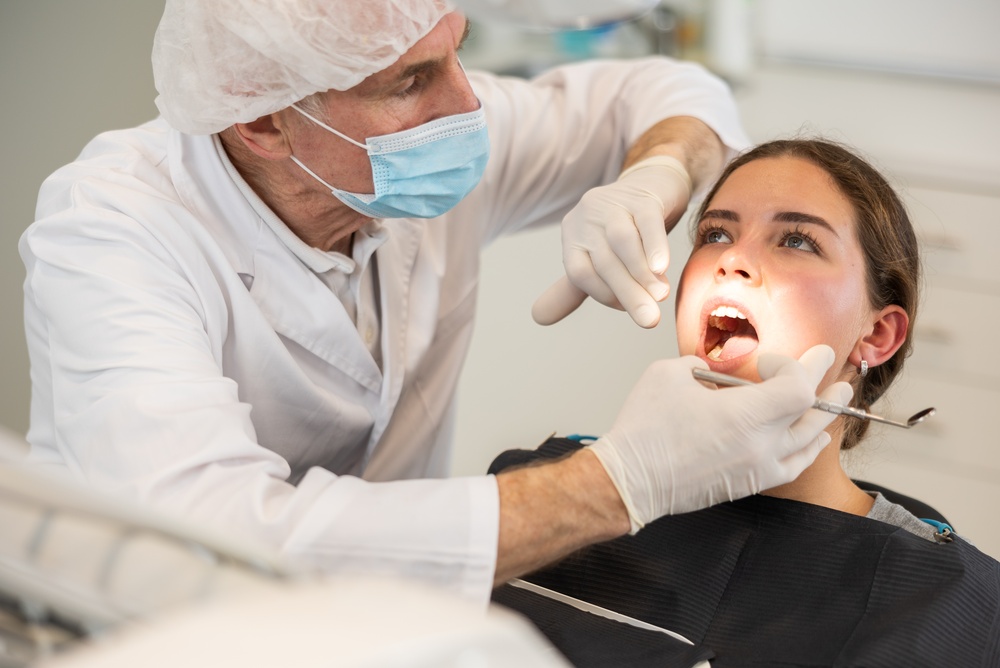
A dentist near you can examine the jaw joint, check how the teeth meet, and look for signs of clenching or grinding. If the symptoms suggest an ear condition or another health concern, further medical assessment may be needed.
Can TMJ Cause Ringing in the Ears?
Some people with TMJ problems report ringing in the ears, also known as tinnitus. However, ringing can have several causes, and a direct link to the jaw is not always clear.
Ringing in the ears linked to TMJ problems may occur with jaw pain, tight facial muscles, or pain when chewing. Changes in jaw movement may also affect ear symptoms in some people.
See a healthcare provider if the ringing does not go away, especially if it affects your sleep or daily life. Get urgent medical help if you suddenly lose your hearing, especially in one ear.
What Treatments Can Help TMJ-Related Ear Pain?
Treatment depends on what is causing the problem and how much it affects your daily life. If the pain comes from the jaw joint, a few simple steps may help ease the pain.
Options may include:
- Soft foods: Eat foods that are easy to chew while your jaw hurts.
- Warm compresses: Place a warm cloth on your jaw to help relax tight muscles and ease discomfort.
- Rest your jaw: Avoid chewing gum, eating hard foods, or opening your mouth too wide.
- Clenching awareness: Notice and reduce daytime jaw clenching when possible.
- Dental assessment: Check for tooth problems, grinding, or other issues that may contribute to pain.
TMJ treatment in Lakefield, ON, may include guidance on managing jaw strain and assessing whether dental factors are contributing to the symptoms. A custom mouthguard for TMJ may be recommended for some people who grind or clench their teeth. It can help protect the teeth, but it does not cure every TMJ problem or guarantee relief from ear pain.
When Should You Seek Professional Help?
See a healthcare provider if pain near your ear keeps coming back, you have trouble moving your jaw, or if chewing continues to hurt. Remember, ear pain is not always caused by a jaw problem.
Get medical help soon if you have severe ear pain, a fever, fluid coming from your ear, or changes in your hearing. Get urgent medical care if you suddenly lose your hearing, have weakness in your face, or notice major swelling.
A dentist in Lakefield, ON, can help assess possible dental or jaw-related causes and recommend further care when needed. If the symptoms appear to come from the ear itself, a medical professional may be better placed to investigate.
Get Help Understanding Your Ear and Jaw Pain!
Pain around the ear can make chewing, talking, and everyday activities uncomfortable. Finding the cause is an important step toward choosing the right care. Contact Village Dental Centre to discuss your symptoms, arrange an assessment, and learn about suitable options for managing jaw discomfort.