Healthy habits started during childhood create a strong foundation for a lifetime of happy smiles. Seeing a dentist in Lakefield early on helps young patients feel comfortable in a clinical setting while catching small problems before they grow. Because children have thinner enamel than adults, their teeth can develop cavities much faster. Understanding how to protect these small smiles ensures that permanent teeth have a healthy environment to grow into later.
Every stage of a child’s growth brings new milestones for their mouth, from the first baby tooth to the arrival of molars. Keeping these milestones on track requires a mix of good habits at home and professional guidance from a local team.
How Can Kids Prevent Cavities Before They Begin?
Tooth decay is the most frequent hurdle for young patients. When sugary snacks or juice sit on the teeth, bacteria create acids that eat away at the protective outer layer. Because children often miss spots while brushing, plaque can build up in the deep grooves of the back teeth.
Focusing on preventive dental care for children involves a few simple steps:
- Brush your teeth twice every day using a small, pea-sized bit of fluoride toothpaste.
- Floss between teeth that are touching to get rid of hidden bits of food.
- Eat fewer sticky snacks, like gummy candies or fruit leather, because they stick to your teeth.
- Drink plain water instead of soda or sugary sports drinks.
Protective Coatings For Young Molars
Brushing isn’t always sufficient to get into every little fissure in your back teeth. For this reason, your dentist near you might suggest dental sealants. Sealants are thin, protective coatings applied to your molars’ chewing surfaces. They act as a barrier, preventing food and bacteria from entering the deep crevices where cavities typically begin. Keeping young teeth strong and healthy is made considerably easier by this additional layer.
This quick and painless process can reduce the risk of decay in molars by a huge margin. It is one of the easiest ways to keep a child’s mouth healthy without needing any drills or fillings.
How Can Early Checkups Guide Growing Smiles?
As a child’s jaw grows, it is important to monitor how the adult teeth are starting to peek through. If a mouth is too crowded or if the top and bottom teeth don’t meet correctly, it can lead to problems with chewing or speaking.
Discussing early orthodontic care for children allows a provider to see if the jaw is wide enough for all the new teeth. Sometimes, using a simple space maintainer can prevent future crowding, which might make wearing braces much easier or even unnecessary later in life. Catching these growth patterns around age seven is usually the ideal time for an initial evaluation.
Handling Dental Injuries During Play
Active children are prone to trips, falls, and sports-related accidents. A chipped or knocked-out tooth can be scary, but knowing how to react saves the smile. If a child plays contact sports, a custom-fitted mouthguard is an essential piece of equipment.
Compared to store-bought guards, a professional version fits snugly and allows for easier breathing and talking. This protection prevents fractured teeth and can even reduce the risk of jaw injuries during a hard hit on the field.
How Can Kids Stop Thumb‑Sucking Safely?
While sucking a thumb or using a pacifier is soothing for babies, continuing the habit past age three or four can change the shape of the mouth. Constant pressure against the roof of the mouth or the front teeth can cause them to tilt outward.
A provider specializing in children’s dentistry in Lakefield can offer gentle tips to help a child move past this habit. Using rewards and marking their success on a calendar usually works better than using pressure or punishment. Fixing this habit early helps prevent the need for more difficult tooth straightening when they are teenagers.
Why Are Regular Dental Visits So Important for Kids?
Parents often wonder about the importance of regular dental checkups for children. These visits are about more than just cleaning; they are about education. A professional can show a child exactly where they are missing spots with their brush, turning a chore into a fun health goal.
Regular exams also allow the team to apply fluoride treatments. This mineral seeps into the enamel and makes it much harder for acids to cause damage. It is like a “vitamin boost” for the teeth that provides extra strength between visits.
Creating A Positive Outlook On Health
Making a trip to the dental clinic a normal, happy event prevents “dental phobia” later in life. Children who start visits early tend to be more relaxed and take more pride in their oral hygiene.
By staying proactive and keeping up with preventive dental care, you ensure that your child grows up with a functional, beautiful smile. A healthy mouth contributes to a child’s overall confidence and well-being every single day.
Give Your Child A Head Start On Health
Watching a child grow is a wonderful journey, and we are here to support their health every step of the way. Our team focuses on making every visit fun and full of learning so that kids feel proud of their progress. We believe in building strong relationships with families to make sure every smile in our community stays bright and strong.
Contact us today to book your visit to Village Dental Centre.
Frequently Asked Questions
When should a child have their very first visit?
Experts suggest scheduling an appointment as soon as the first tooth appears or by the child’s first birthday. These early visits are mostly about checking the gums and giving parents tips on how to clean tiny teeth effectively as they emerge.
Are baby teeth really that important if they fall out?
Yes, baby teeth serve a huge purpose! They hold the space for permanent teeth to grow into and help children learn to speak clearly and chew healthy foods. If a baby tooth is lost too early due to decay, the other teeth might shift and block the adult tooth from coming in correctly.
What should I do if my child is afraid of the dentist?
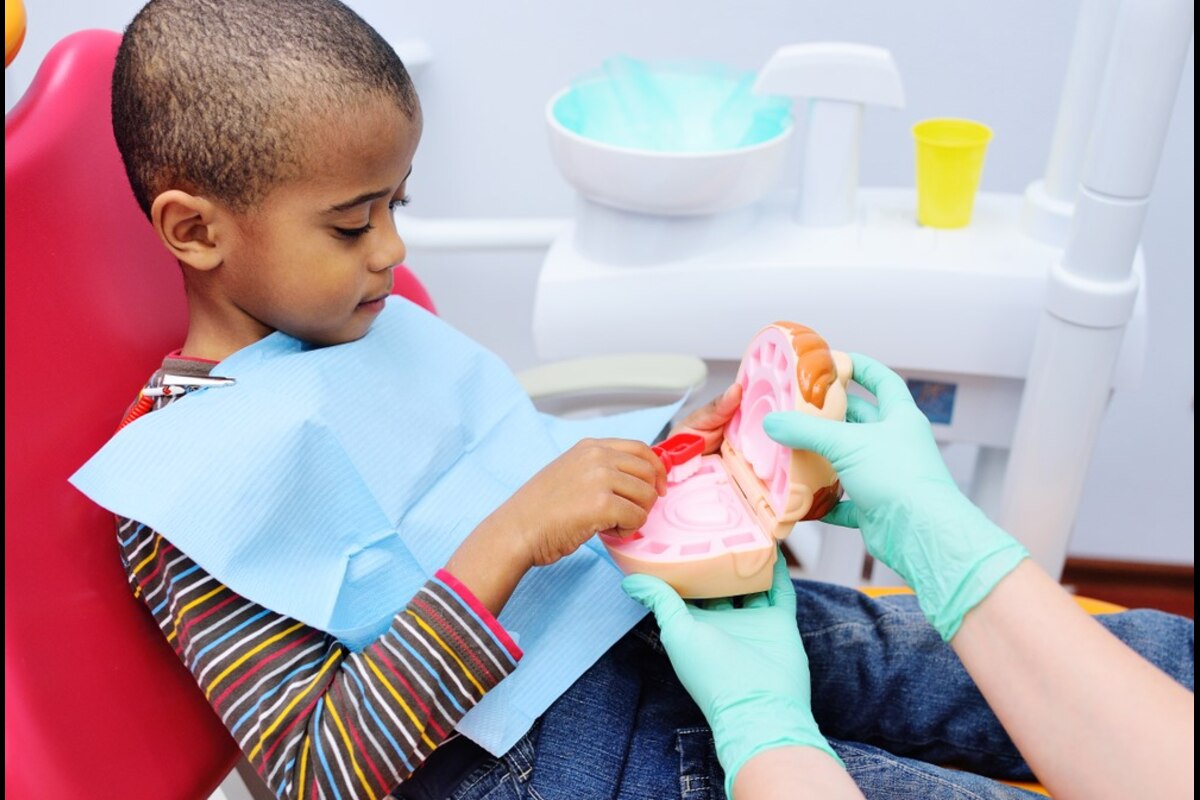
Being nervous is normal, but staying calm yourself helps a lot. Try reading books about dental visits or “playing dentist” at home to show them what to expect. Using positive words and avoiding scary stories will help them feel much braver during their appointment.
Is juice okay for my child’s teeth?
Even 100% fruit juice contains a lot of natural sugar. It is better to serve whole fruit and offer water for thirst. If you do give your child juice, try to keep it to meal times only and avoid letting them sip on a sippy cup of juice throughout the entire day.