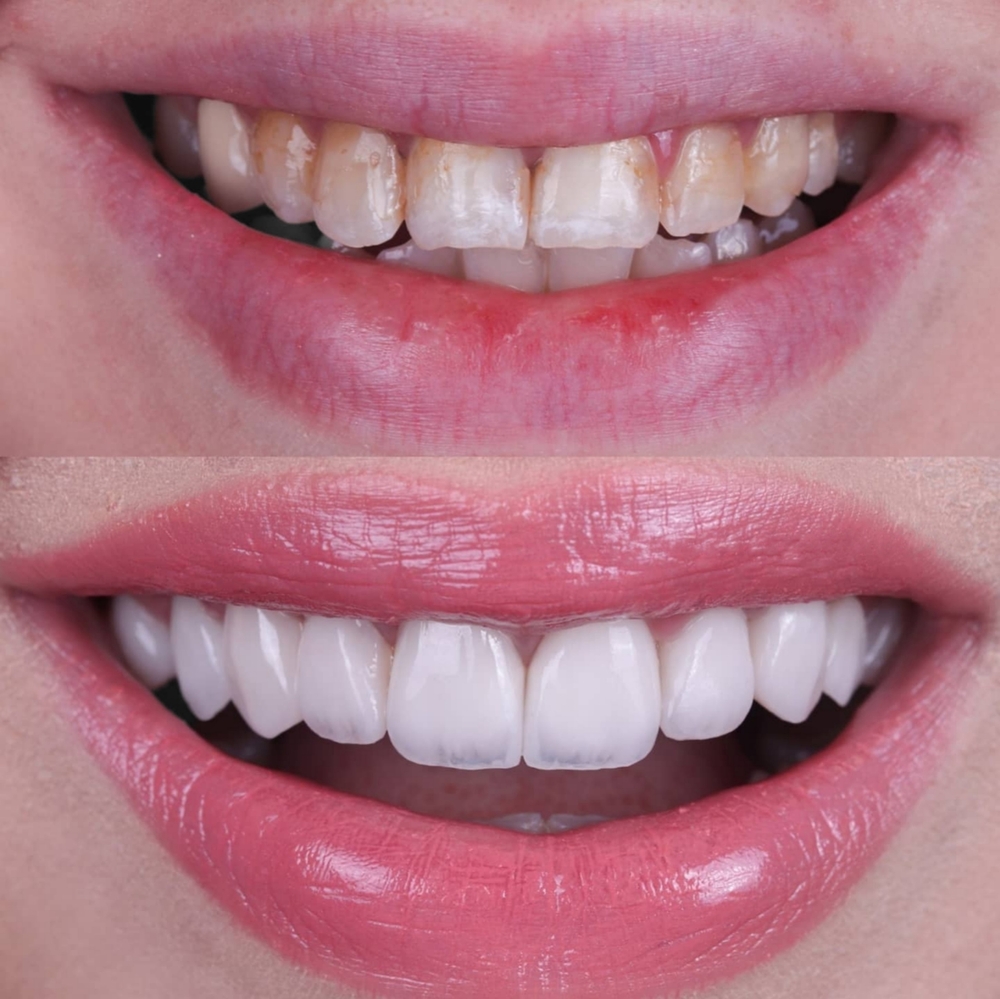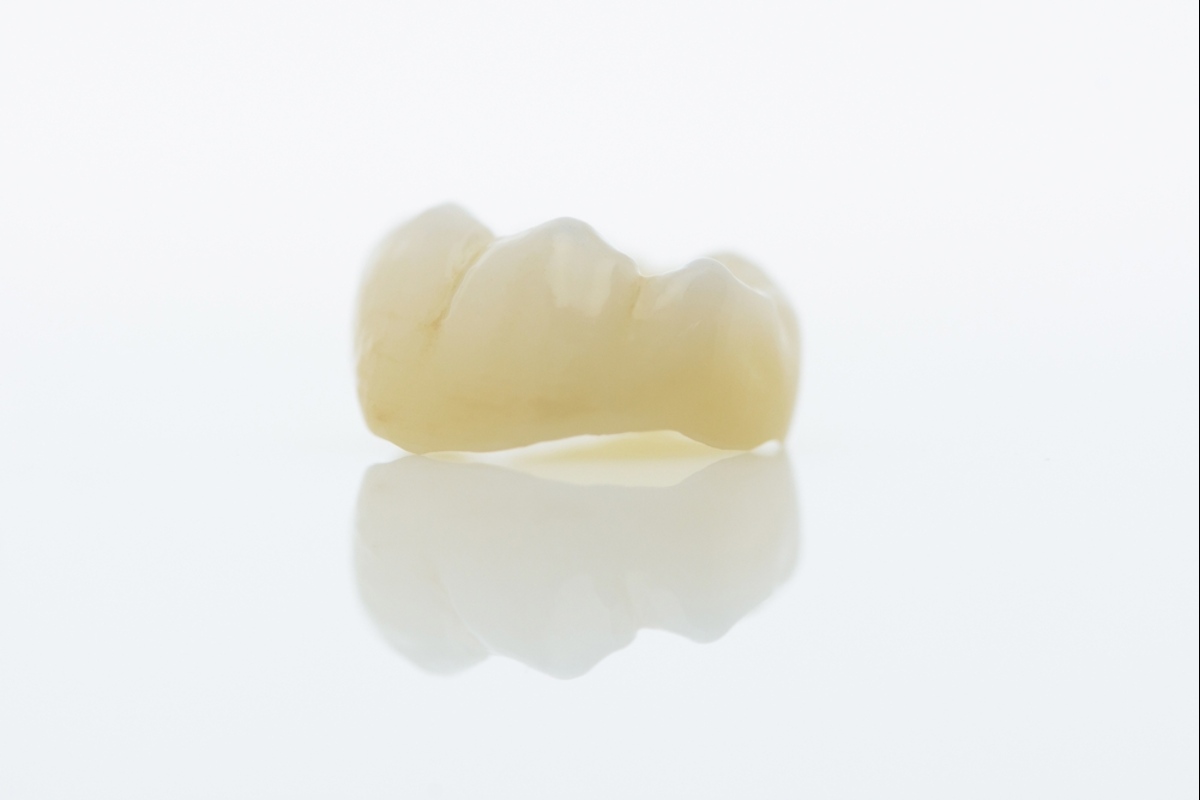
A dental crown is a fixed covering placed over a tooth to restore its shape, strength, and function. A dentist in Lakefield may recommend a crown when a tooth is too weak or damaged for a filling alone. It is designed to protect the remaining tooth structure and help you chew and speak comfortably.
Crowns are commonly used in both restorative and protective dental care. They are shaped to match your natural teeth, so the treated tooth blends in with your smile and works like a normal tooth.
What Does A Dental Crown Do?
A dental crown covers the whole tooth above the gum line. It works like a protective cap, helping support weak or damaged teeth.
A crown may help with:
- Protecting a tooth with extensive decay
- Supporting a chipped or fractured tooth
- Replacing a tooth that has been treated through root canal therapy
- Restore a worn-out tooth or a heavily filled one
- Correct your misshapen teeth
When Do You Need A Dental Crown?
A crown is recommended when a tooth cannot be reliably repaired with a filling or a smaller restoration. In some situations, your dentist may suggest dental crowns near you when the tooth structure has become too weak to function properly.
You may need one if:
- Your tooth is weak
- Your filling keeps falling out
- You need extra protection for your root canal-treated tooth
- Your tooth is worn out from grinding or acid erosion
Understanding when you need a dental crown depends on how much healthy tooth structure remains and how well it supports daily function.
What Happens During The Dental Crown Procedure?
The dental crown procedure usually involves two visits.
During the first visit:
- The tooth is examined and prepared
- Decayed or weak areas are removed
- The tooth is shaped to hold the crown
- An impression or digital scan is taken
- A temporary crown may be placed
Second visit:
- The permanent crown is checked for proper fit
- Bite alignment is adjusted if needed
- The crown is fixed in place with dental cement
Modern dental materials are designed to be strong and comfortable, and your dentist ensures the crown fits well with your bite.
Is The Dental Crown Procedure Painful Or Not?
Many patients ask whether the dental crown procedure is painful. Local anesthesia is used during tooth preparation, so the area remains numb during treatment.
Following the treatment, there may be some minor sensitivity that lasts for a while. However, this fades as the tooth and surrounding tissues become accustomed to the process. People usually resume their normal activities shortly thereafter.
Dental Crowns In Lakefield And Treatment Options
You may need dental crowns in Lakefield when a tooth is affected by decay, injury, or wear. Different materials may be selected depending on the location of your tooth and its functional needs, such as ceramic or porcelain-fused options.
When choosing between dental crowns, your tooth’s condition, the strength of your bite, and your dental health requirements will determine what is best for you. This is because an appropriate examination will give your dentist the chance to select the most suitable option for you. Regular dental checkups can also help find early signs of tooth damage.
Speak With a Dental Professional Today
If you are looking for a dentist near you, early evaluation can help decide whether a crown is needed before the tooth becomes more damaged. At Village Dental Centre, patients receive careful assessment and clear treatment planning tailored to their dental needs. Book your appointment today.
FAQs
What is a dental crown used for?
It protects and fixes a damaged or weak tooth.
How long does a dental crown last?
It can last for many years if you brush, floss, and visit the dentist regularly.
Can a crown be placed after a root canal?
Yes. A crown is usually placed after a root canal to prevent the tooth from breaking.
Do dental crowns look natural?
Yes. They are custom-made to match the colour and shape of your other teeth, so they blend right in.